PRODUCT OF BANGLADESH
Like many other countries, Bangladesh relies quite heavily on exports to earn foreign currencies. The quality of some traditional and non-traditional products of international standard and so these products are being exported instead of selling locally as these generally fetch a much lower price than they would on the international market as. This means that it is far more profitable for the country to engage in exportation than it is to engage in local trade. While this may mean that a large percentage of the countries GDP is sent off abroad as Bangladesh exports instead of being enjoyed by the country’s own people, it also allows for a steady influx of foreign currency.
Currently Bangladesh’s main export items are garments, jute and jute-related goods, leather, frozen fish and seafood. Just three years back the country made over $2,000 billion from export trade. The majority of the country’s trade is conducted with the USA but a small portion of exports also sees its way to Germany, the UK, France and Italy.
The export index is being up continually more and more every year as new market for export is created. More global buyers from many countries are being enthusiastic for sourcing of goods from Bangladesh. We hope the export of Bangladesh will be doubled within next 10 years.
Bangladesh exports more than 200 items and some of which major export items are given here as about 90% of our total GDP is ensured from these items.
RAW JUTE AND JUTE GOODS
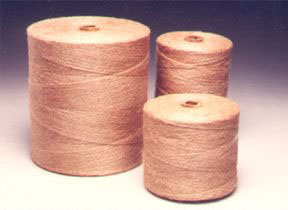
Jute is called in Bangladesh "Golden Fiber". Bangladesh is one of the largest producer of Jute in the World. Jute is one of the important sector of export items. World head office of Jute is in Dhaka. There are lot of items made from Jute and Jute goods. Partex board one of the useful item in Bangladesh. By Partex board may produce beautiful doors, tables, decorative furniture, partition and so many stuffs. This is also one of the best export orient item.
Almost 80% of the world’s jute was produced in Bangladesh in 1950s and 60s. One of the largest industries in Bangladesh is the jute industry, in which almost 1.5 million people are active. Historically, jute was the main foreign exchange earner and its contribution to the national economy is still significant.. Due to several setbacks and the introduction of, often cheaper, substitutes the market declined and jute started to lose its dominant position. In 2000, 5% of all exports from Bangladesh consisted of jute. Bangladesh exports jute mainly to China, Turkey, Lybia, Russia, Pakistan and Some other European countries. This figure decreased to 3% in 2004, while the world market for jute products is slowly increasing again.
This gives reason for PROGRESS, which focuses on the development of Small and Medium Sized Enterprises (SME’s) in Bangladesh, to look into the jute market. The last years the diversified jute products (JDPs) is an increasing market and offers potential, also for Bangladesh. For PROGRESS, this is an interesting market and therefore it wants to look into this market to see where possible interventions can help develop this market further. Based on this, the problem formulation for this research is: What are the market opportunities in Europe for the Bangladeshi Jute Diversified Products (JDP) industry and how should PROGRESS support this industry to take advantage of these opportunities? To answer this question, the research is divided into five sub questions that each answers a part of the problem formulation. The first area of interest is the assessment of the target market. In this research the European market and especially Western Europe is analyzed, based on secondary data. Second area is the strengths and weaknesses analysis of the Bangladeshi JDP industry, followed by the formulation of market opportunities based on the analysis of the Bangladeshi JDP industry and the European market. Fourth, the export potential of Bangladeshi JDPs is determined, and finally interventions were defined that are useful to PROGRESS with regard to this market. All of these sub questions are supported by models and theories
 Title
Title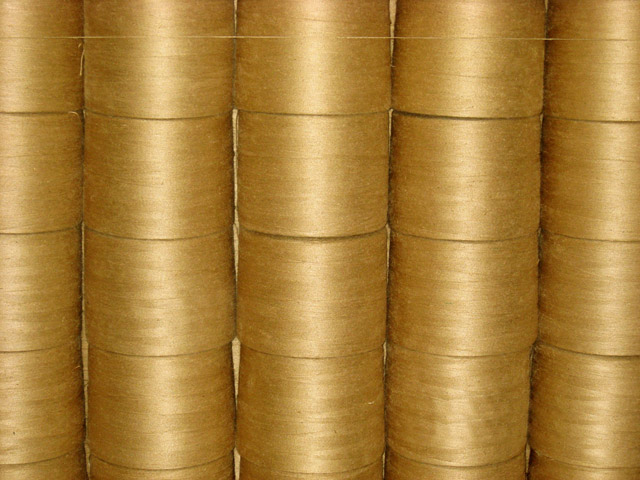 Title
Title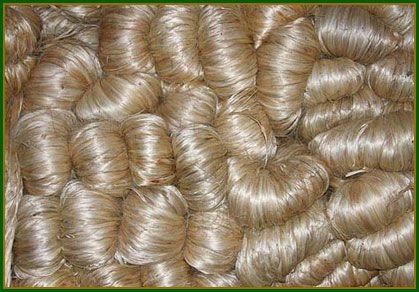 Title
Title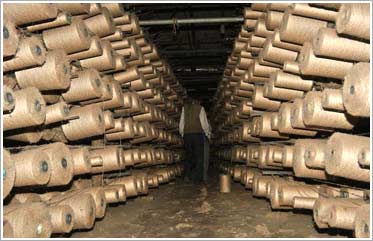 Title
Title
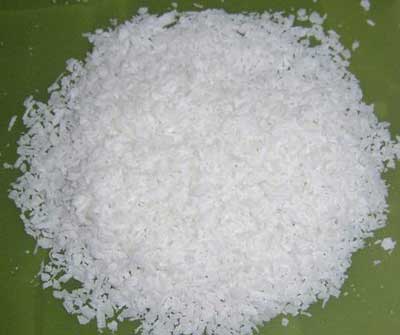
AGRO PRODUCTS
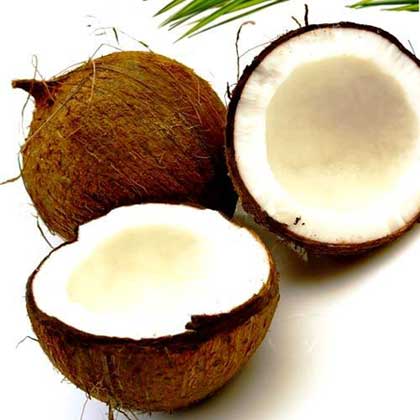
Agriculture is the single most important sector of Bangladesh's economy. 80% of the population 66% of the labor force) is engaged in agriculture. When we talk of rural development, the emphasis is on the development of agriculture, and agro based industry, trade and service sectors. With its nearly 130 million inhabitants, Bangladesh is one of the most populous countries of the world and potentially a sizeable market. Besides representing a potential market in itself (and potential access to the much larger South Asian market) Bangladesh also offers considerable potential as a base for export also. Agriculture till now is the main occupational activity in the rural areas as most of the population depends on agriculture for their livelihood and employment. A small stimulation will dynamite the rural economy and lead to improved quality of life.
The Government has therefore accorded highest priority to this sector to enable the country to meet these challenges and promoting agro-based industries to make this sector commercially profitable.
 Title
Title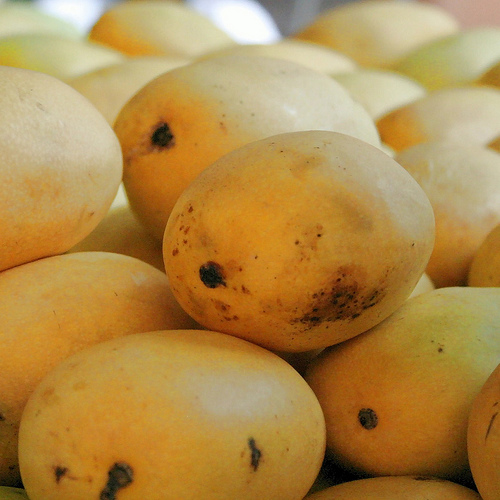 Title
Title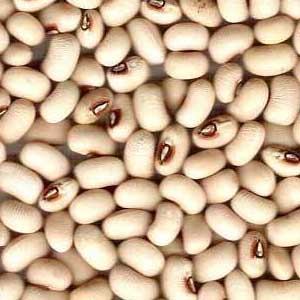 Title
Title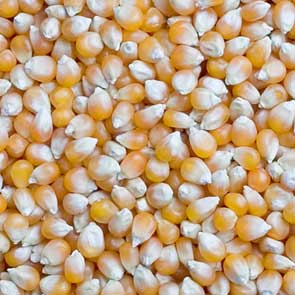 Title
Title
 Title
Title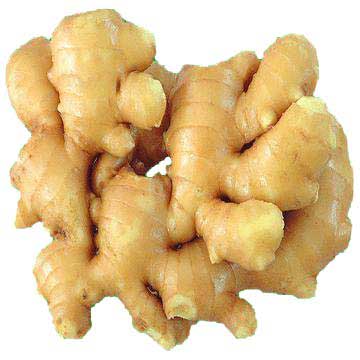 Title
Title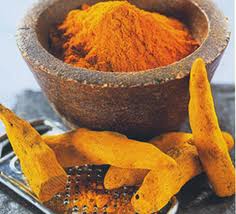 Title
Title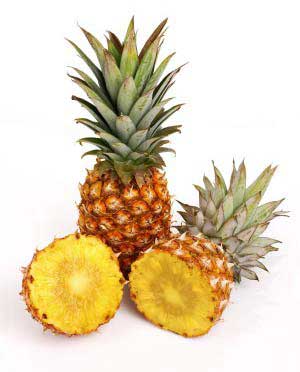 Title
Title
FROZEN FOODS
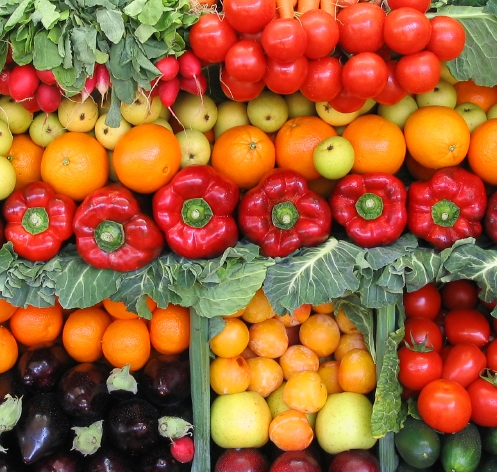
Frozen foods is the second largest export sector of the economy. The massive natural resources available in Bangladesh make this sector particularly promising for investors looking to supply in international as well as in domestic markets. The Public sector corporation and the private organizations have setup about 148 numbers of shore based export oriented fish processing plants at Dhaka, Chittagong, Khulna, Jessore, Satkhira, Bagerhat, Cox's Bazar, Chandpur, Kishoregonj, Syihet and Patuakhali. These plants produces Fresh Water shell On (FWSO), Ser Water shell On (SWSO), Peeled and Deveined (P&D), Peeled and Undevined (PUD), shrimp products under the most hygienic and sanitary condition under the supervision, control and guidance of foreign trained handling & processing experts. At all levels, USFDA registrations and directives of the European Communities concerning the production and exportation of frozen foods are strictly followed.
The private organization and the public sector corporation offer the following frozen products for export:
| A. Frozen shrimp & prawn | B. Frozen fish |
| C. Fresh & chilled fish | D. Frozen fillets & steaks of fish, |
| E. sharks shells skates & rays | F. Dry fish |
| G. Live crabs & tortoises | H. Value added shrimp & fish |
| I. Fish meals & crushed | J. Shark fins & fish maws |
K. Salted & dehydrated fish |
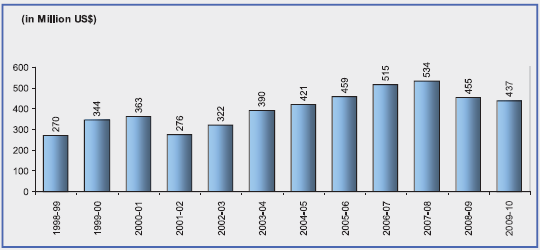
The export of frozen items are shown below in graph:
 Title
Title Title
Title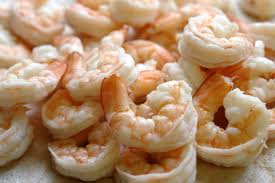 Title
Title Title
Title
LEATHER AND FOOTWEAR
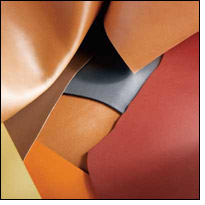
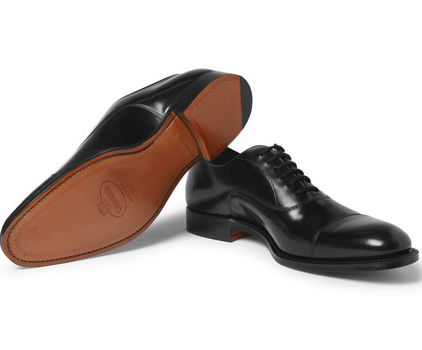
Bangladesh has a long established tanning industry which produces around 2-3% of the world’s leather from a ready supply of raw materials. The country is therefore an established and attractive location to source and outsource the manufacture of finished leather products. The leather industry is ideally suited to Bangladesh with its abundance of labor and natural resources at internationally competitive rates.
Bangladesh produces between 2% and 3% of the world’s leather. Most of the livestock base for this production is domestic, which is estimated as comprising 1.8 % of the world’s cattle stock and 3.7 % of the goat stock. The hides and skins (average annual output is 15m sqm.) have a good international reputation.
Foreign direct investment in this sector along with the production of tanning chemicals appears to be highly rewarding due to this presence of basic raw materials for leather goods including shoes, a large pool of low cost, trainable labor, and a tariff concession facility to major importing countries under Generalized System of Preferences (GSP) coverage. Thus Bangladesh is an ideal offshore location for leather and leather products manufacturing with low cost but high quality.
The government is in the process of setting up a separate Leather Zone, relocating the existing industry sites to a well-organised environment. Exports include some ready-made garments, although that aspect is confined mainly to a small export trade in "Italian-make" garments for the US market. Footwear is more important in terms of value addition. This is the fast growing sector for leather products.
 Title
Title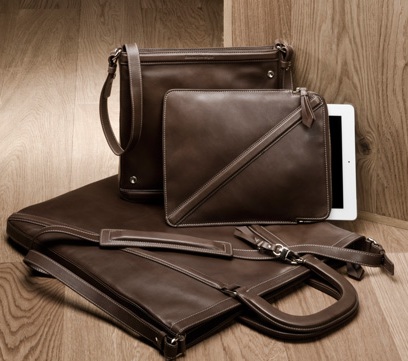 Title
Title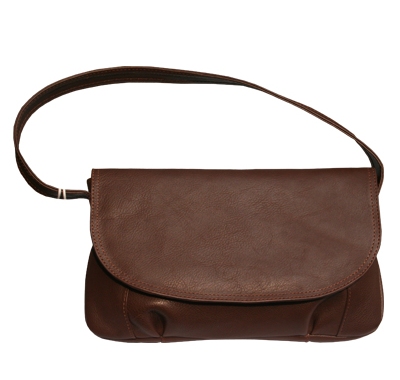 Title
Title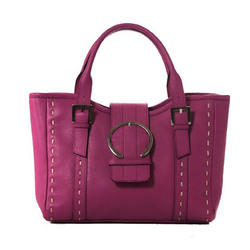 Title
Title
 Title
Title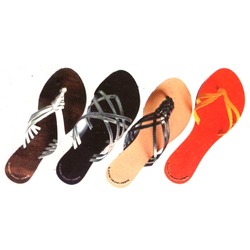 Title
Title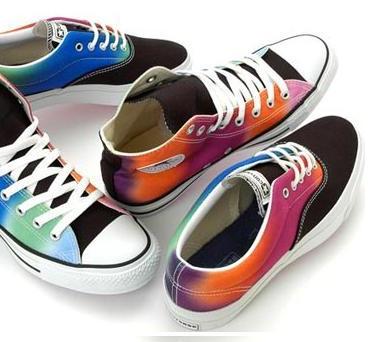 Title
Title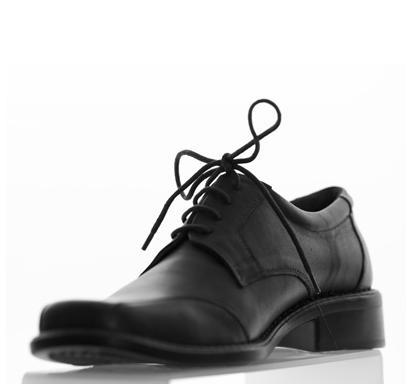 Title
Title
CERAMICS
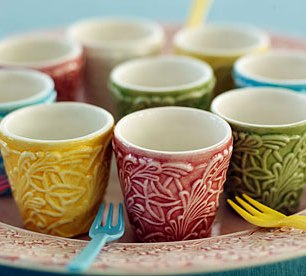
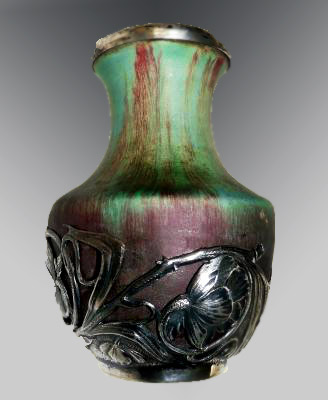
The global ceramics industry is worth in excess of $10bn. Bangladesh is perfectly positioned to expand rapidly in this sector with its high quality, cost ratios and creative human resource base. The global ceramics industry is worth in excess of $10bn. Bangladesh is perfectly positioned to expand rapidly in this sector with its high quality:cost ratios and creative human resource base. A few ceramic tableware manufacturers dominate the industry producing high quality products for the international brands. A pool of skilled manpower has been developed. The latest technological advancements in ceramics are also being utilised. Bangladesh produces high quality bone china, transferring the technology from Japan. Bangladesh is exporting a good volume of ceramics to the foreign countries and contributing in adding of country’s GDP.
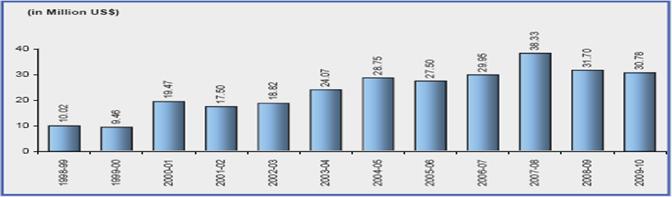
The export of ceramics from Bangladesh is shown below in graph:
 Title
Title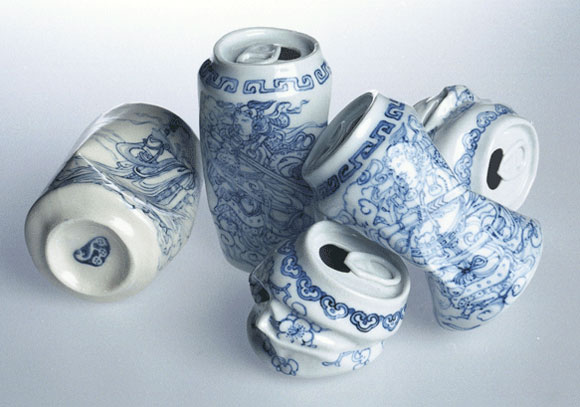 Title
Title Title
Title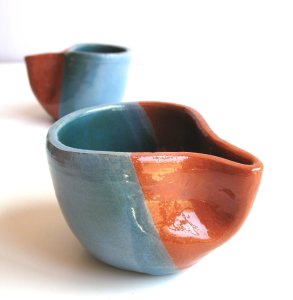 Title
Title
 Title
Title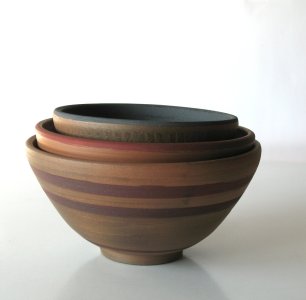 Title
Title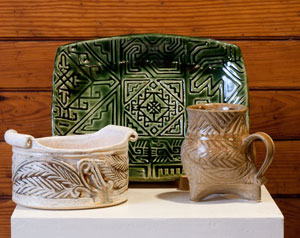 Title
Title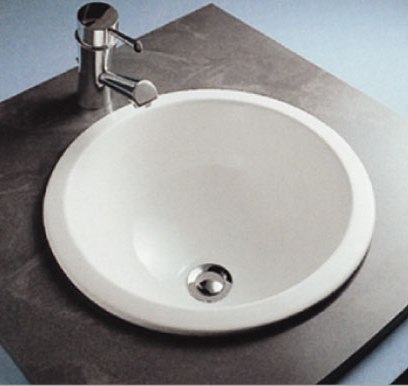 Title
Title
KNITWEAR, WOVEN GARMENTS AND HOME TEXTILE
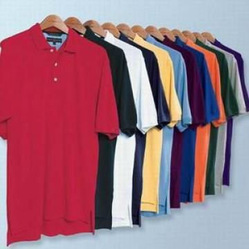
Bangladesh exports were worth 2199 Million USD in May of 2012. Historically, from 1995 until 2012, Bangladesh Exports averaged 3534.9 Million USD reaching an all time high of 15565.2 Million USD. Bangladesh exports mainly ready made garments including knit wear and hosiery (75% of exports revenue). Bangladesh main exports partners are United States (23% of total), Germany, United Kingdom, France, Japan and India.
Bangladesh has ranked fourth in the global apparel exports and grabbed 3 percent market share, according to a recent World Trade Organization (WTO) report. Bangladesh secured the fourth position in terms of value followed by China, EU-27 countries and Turkey, said the report. According to the report, China exported apparel items worth $115billion, EU-27 countries $103.40 billion, Turkey $14 billion and Bangladesh more than $10 billion.
Bangladesh was the largest exporter of cotton T-shirts and was second for cotton pullover and jeans exports to European countries. In terms of volume, the country was the second largest exporter of cotton trousers to the US last year.
The exports were 169.59 million dozens of woven and 290.92 million dozens of knit in fiscal 2008-09 Of the total amount, the country exported knitwear items worth $6.48 billion, and woven worth $6.01 billion, registering a 0.84 percent and 1.60 percent growth respectively, according to the EPB data.
Bangladesh also exported terry towel worth $157.07 million, textile fabrics worth $8.22 million, knitted fabrics worth $20.68 million and home textile worth $539.28 million. Bangladesh also explored some new export destinations such as Japan, New Zealand, Canada, Australia, and some countries of South America and South Africa.
This only possible due to the manpower engaged to carry out the day to day business are all highly skilled, purely professional, vastly experienced. The unique combination of organized managerial and technical with government support.
 Title
Title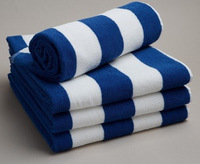 Title
Title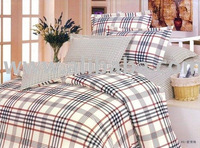 Title
Title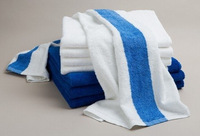 Title
Title
 Title
Title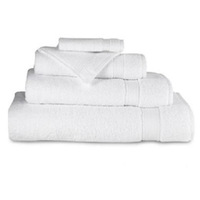 Title
Title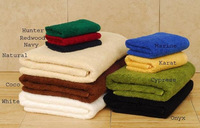 Title
Title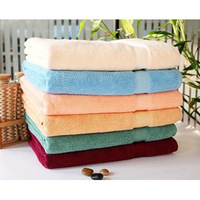 Title
Title
PHARMACEUTICALS
In Bangladesh the pharmaceutical sector is one of the most developed hi-tech sectors which is contributing in the country's economy. The professional knowledge, thoughts and innovative ideas of the pharmaceutical professionals working in this sector are the key factors for these developments. Due to recent development of this sector it is exporting medicines to global market including Europe, America and Africa.
Historically the Pharmaceutical Industry has concentrated on Research and Development, and Marketing. Manufacturing was regarded as merely complying with regulatory requirements. Moreover, the Pharmaceutical companies believed that Lean principles were not relevant to their environment. Batch reduction, flow optimization, built in quality, set up time reduction and process management were widely used in discrete manufacturing environments, but could not be implemented in a highly regulated process industry, such as the Pharmaceutical Industry.
Bangladesh has a very strong presence in the health care sector of the world with almost all kinds of pharmaceutical products including anticancer, amino acids and other high-tech products. Today, Bangladesh takes the pride of its significant contribution towards improving the human health care of the society home and abroad. We combine extensive local market expertise with global vision and the latest technological developments to provide dedicated, cutting-edge distribution solutions to the healthcare industry. All of our state-of-the art facilities operate in strict accordance with rigorous quality management standards and set industry benchmarks for excellence.
 Title
Title Title
Title Title
Title Title
Title
HANDI CRAFTS
People have a distinctive sense of art. From the beginning of the civilisation they have created innumerable things as a blossom of this sense. They have done it from necessity or even unnecessarily because they are bound to do it. Some things they have preserved and made these a part of their living, their tradition. Some things they have abandoned as by anyway they feel these unnecessary.
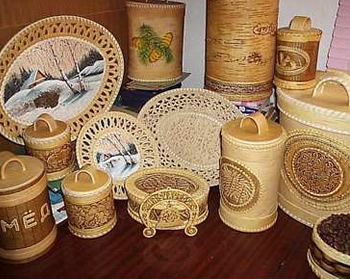
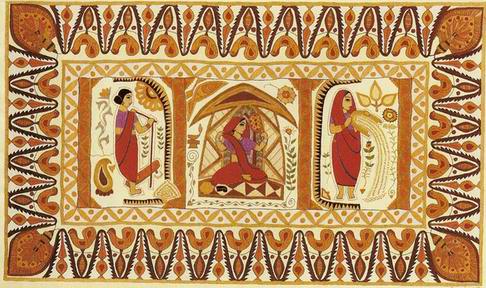
Handicrafts are by nature traditional to the people of Bangladesh. By using their primitive instruments, hands, people make these to use in their daily life. It is important to mention that most of the time handicrafts have an aesthetic view and artistic value. For this reason, historically the upper class of the society has a lust for these. In the timeline of history, patronised by the higher class people at different times, different pieces of handicrafts reached the peak of development and popularity. Hence, The handicraft products that are available in Bangladesh can be categorized as follows:
Of late, handicrafts have been exposed to commercialisation. Now, in Bangladesh, considering its potentiality in local and international markets, people involved in this sector claim for modernisation. New technologies and market competition always pressurise us to take steps to modernise this sector.
So, to modernise our handicrafts industry what model we will choose is a matter of some serious thought. However, our commerce minister has announced to formulate a national Handicraft Policy and we are passionately waiting for this. Because for modernisation or for any other development, policy support can act as a major contributor.
 Title
Title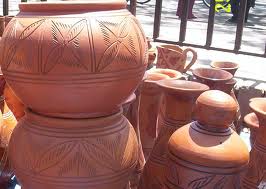 Title
Title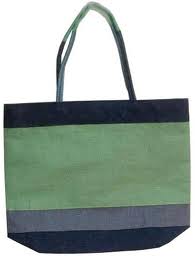 Title
Title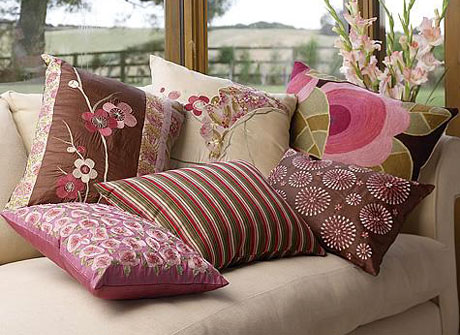 Title
Title
 Title
Title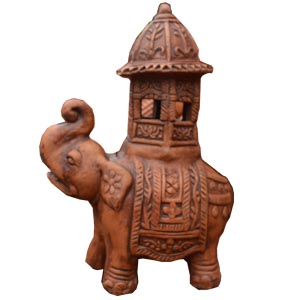 Title
Title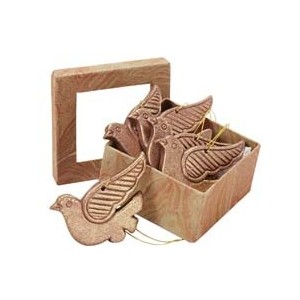 Title
Title Title
Title
Suport 24/7:

 sales@euromaxxbd.com